Ask Google Maps just changed local search
And most businesses are going to keep optimizing like it never happened.
Google just announced Ask Google Maps.
Conversational AI search, built directly into the app. Not a beta. Not a Search Labs experiment. The main product. The one 2 billion people open when they're trying to find something near them.
Watch the demo and pay attention to how the user searches.
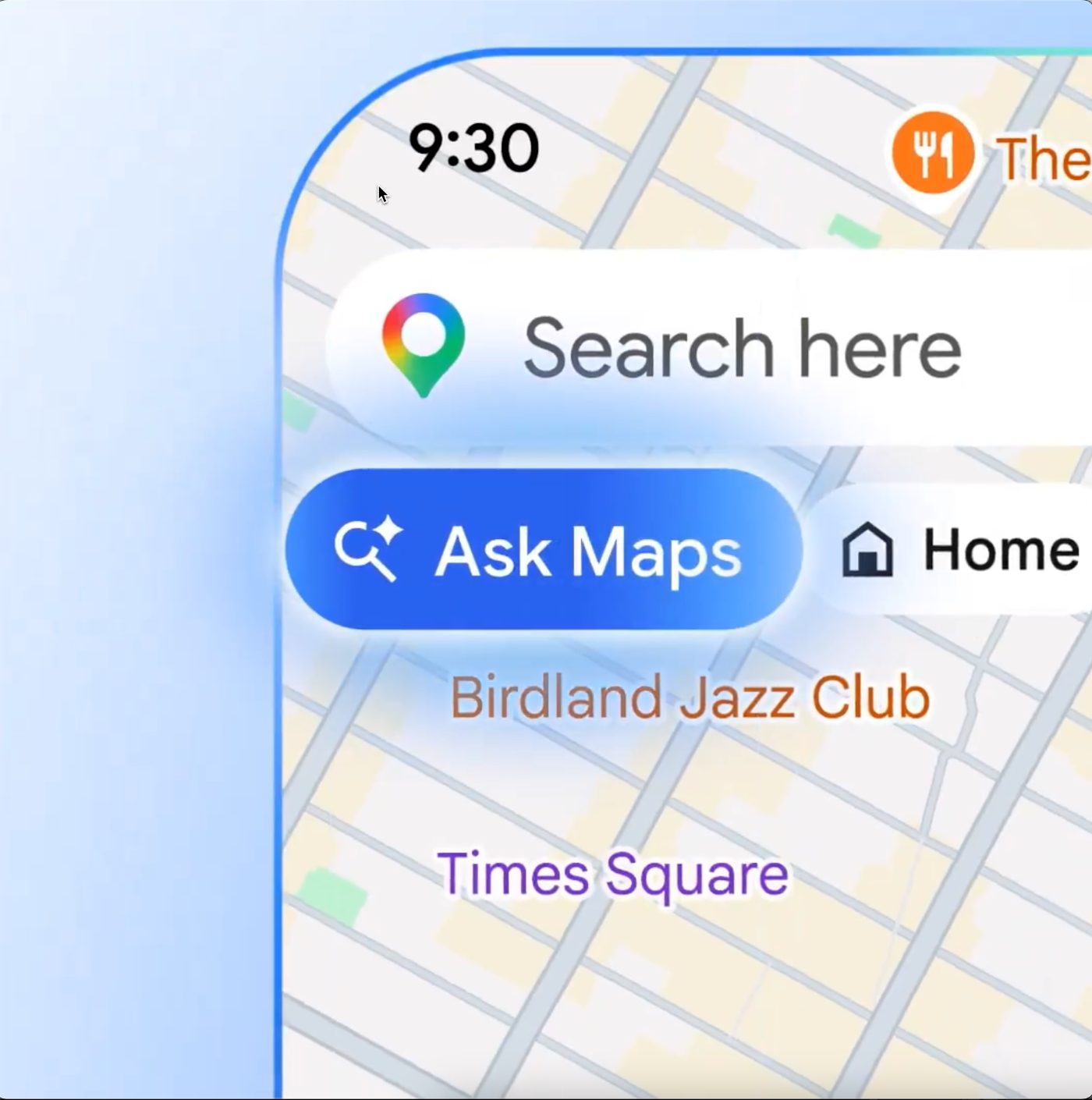
They're not typing "Italian restaurant Chicago." They're describing a situation. Somewhere romantic, good pasta, not too loud. Then they zoom. Then they filter.
The query is conversational. The intent is specific.
And Google is surfacing answers based on what it actually understands about that business — not whether the keywords matched.
This is a different game.
What Google is actually doing:
Google has always had the data advantage nobody else has.
Street View. Satellite. Traffic patterns. How long people actually stay. Review sentiment. Business hours verified against real visits.
They just didn't have a clean interface to surface all of it at once.
Ask Google Maps is that interface. And it runs on the same logic as every other AI system answering "where should I go" questions right now — which means it doesn't just match keywords. It builds a model of what your business actually is.
Who you serve. What the experience is like. Whether you're the right answer for this specific situation.
That's an entity problem:
Google isn't ranking your listing anymore. It's reasoning about your business.
That model gets assembled from everywhere. Your GBP. Your LSA calls. Your website. Your reviews. Your citations. The words your customers use to describe you versus the words you use to describe yourself. Press mentions. Directory references. Anywhere your business has been described in natural language by a real person in a real context.
Thin entity, fragmented signals, generic descriptions — and the model doesn't have enough to work with.
You become a listing, not a recommendation.
The uncomfortable part:
Most businesses built their digital presence for keyword matching. Maybe that was the right call for the last decade or two.
It's not anymore.
The businesses that win these conversational searches aren't going to be the ones with the most optimized GBP. They're going to be the ones whose entire presence — across every surface Google can see — tells a coherent, specific story about who they are and what it's actually like to hire them.
Next week I'm going to talk about where that entity depth actually comes from. The answer is going to make a lot of SEO-era marketers uncomfortable.
Talk soon, Garrett
P.S. — Entity consistency across GBP, website, and citations is exactly what we audit at GMB Gorilla. If you want to see where your clients are fragmented before this rolls out broadly, get in touch and let's look.
First sent to the newsletter on March 16, 2026. All Search Notes